
Gum Disease Treatment – Edmond, OK
Effective Care for Infected Gums

As much as dental care looks after teeth, they aren't the only parts of your smile that matter. Your gums are just as vital – they'll infect your smile if they don't get the proper care. Due to these facts, we at Blue Creek Dental offer gum disease treatment here in Edmond. This service – courtesy of our own Dr. Crowley – can manage and control infected gums. To learn more about it, keep reading or book your consultation soon.
Why Choose Blue Creek Dental for Gum Disease Treatment?
- Gum Screenings Included with Every Checkup
- Soft Tissue & Intraoral Lasers
- Dental Discount Program
 What is Gum Disease?
Gum disease is an infection of your gums – the pink tissues around your teeth. As such, it often stems from plaque built up from poor eating, bad oral hygiene, etc. Various other factors – genetics, hormones, and so on – can also make the condition more likely.
The two main stages of gum disease are gingivitis and periodontitis. At its core, the first refers to a slight gum inflammation that’s irritating but ultimately minor. Stage two – periodontitis – is a full-blown infection that attacks a patient’s jaw and gum tissues. This latter form is irreversible (unlike gingivitis), so it can only be managed at best.
 Symptoms of Gum Disease
Since it has two stages, gum disease can cause a wide range of symptoms. Which signs you show will depend on your condition’s progress rate, severity, etc.
Consider a case of gingivitis, for example. This early gum disease form has signs like:
- Gum tenderness
- Gum recession
- Swollen gums
- Red, bleeding gums
- Chronic bad breath
On the other hand, people with periodontitis show more severe symptoms. These include:
- Chewing pain
- Tooth sensitivity (often due to gum recession)
- Loose permanent teeth
- A shift in your bite
- Permanent tooth loss
- Changes in your restoration’s fit
 How Do We Treat Gum Disease?
When you first see us, Dr. Crowley will give you a close oral exam. This assessment lets him check your mouth and the state of your gum disease, ensuring he knows your case’s details. He’ll then use his findings to suggest one (or more) of the following treatment options:
 Scaling and Root Planing
The standard treatment for gum disease is scaling and root planning, which is a “deep cleaning” of your gums. An initial scaling would use special tools to remove plaque above and below your gumline. We’d then perform root planning that smooths out your tooth roots, making plaque less likely to gather on them. Depending on your infection’s severity, the whole two-step treatment would take one to four dental visits. It can also be combined with laser therapy for more complete healing.
Do You Need Scaling & Root Planing?
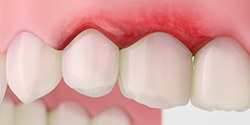
Some signs indicate when scaling and root planing is required. Dr. Crowley will examine your mouth, and if any of the following issues are evident, you can expect a deep cleaning in your future:
- Bleeding gums
- Red and inflamed gum tissue
- Bad breath or halitosis
- Difficulty chewing
- Unpleasant taste
- Loose teeth or those that are shifting
- Receding gumline
If symptoms are detected in their earliest stages, it’s possible to reverse them with regular dental cleanings and good at-home oral hygiene. However, if you allow the problem to remain untreated, you risk significant bone and tooth loss, as well as the infection entering your bloodstream. This can lead to cognitive decline, heart disease, and more.
The Process of Scaling & Root Planing
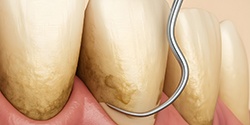
The process of scaling and root planing is two parts. First, we will need to remove all existing plaque and tartar from your teeth and gumline. We will continue this process within the gum pockets until it’s time to move on to scaling. This includes targeting the tooth root to reshape and smooth it out. This minimizes the potential for bacterial accumulation in the future.
Once finished, your gums will begin to reattach to your teeth, and the gum pockets will close, allowing for better oral health.
Aftercare Tips for Scaling & Root Planing
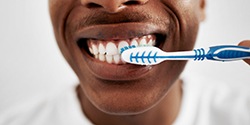
Do not be surprised if you experience soreness for several days after scaling and root planing. This is normal, as your gums need time to heal. You may also notice some sensitivity. It is crucial that you practice good oral hygiene if you want to avoid additional bacterial accumulation, so you will need to brush and floss daily, as well as use a prescription mouthwash.
An over-the-counter pain reliever can help reduce additional discomfort over time, but this should not last longer than a few weeks.
 Laser Periodontal Treatment
Along with scaling and root planing, we may suggest laser periodontal treatment if your case is severe. This option uses our soft tissue laser to “clean out” infected gum pockets, reducing the presence of harmful bacteria. It also promotes healing by disinfecting the treatment site while it works, ensuring a faster and comfier recovery.
How Laser Periodontal Treatment Works

First, we’ll numb the area to be treated with a local anesthetic. Once you’re comfortable, Dr. Crowley will aim the dental laser at bacteria, plaque, and tartar deposits along your gumline. The laser emits a highly concentrated beam of light that instantly cauterizes tissue and eliminates the harmful substances affecting your smile. Since the laser is also incredibly thin and precise, you can rest assured that it will only get rid of infected tissue.
The Benefits of Laser Periodontal Treatment
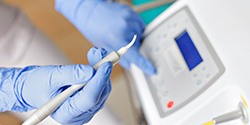
Laser gum disease treatment is becoming more and more popular, and for good reason! It has many benefits, including:
- Superior comfort. Dental lasers are much gentler on your gums than traditional instruments. Pain, bleeding, and swelling during and after treatment are minimal.
- Quick recovery times. Because dental lasers instantly cauterize treatment areas, most patients feel ready to return to their everyday activities within 48 hours.
- Low risk of infection. Our laser also sterilizes any tissue it touches, significantly reducing the risk of infection and decreasing the need for antibiotics.
- Laser gum disease treatment is more effective at eliminating harmful bacteria than traditional methods.
Aftercare Tips for Laser Periodontal Treatment

While your recovery time after laser periodontal treatment will generally be much shorter than alternative methods, it’s important to keep in mind that your mouth will still be healing from a serious infection.
If you experience mild discomfort, take an anti-inflammatory pain reliever like ibuprofen as directed. If your pain becomes severe or lasts for more than one week, please call our office so we can make sure everything’s okay. You can and should continue to brush your teeth, but depending on the state of your gums, we may recommend that you avoid flossing for a few days or switch to using a gentle water flosser. Completely avoid tobacco products and alcohol for at least two weeks after your treatment. The chemicals in these substances can significantly delay the healing process, cause oral tissue damage, and increase the risk of infection.
Rest assured, we’ll provide you with detailed aftercare instructions before you leave our office. But if you have questions or need clarification, don’t hesitate to get in touch with our team!